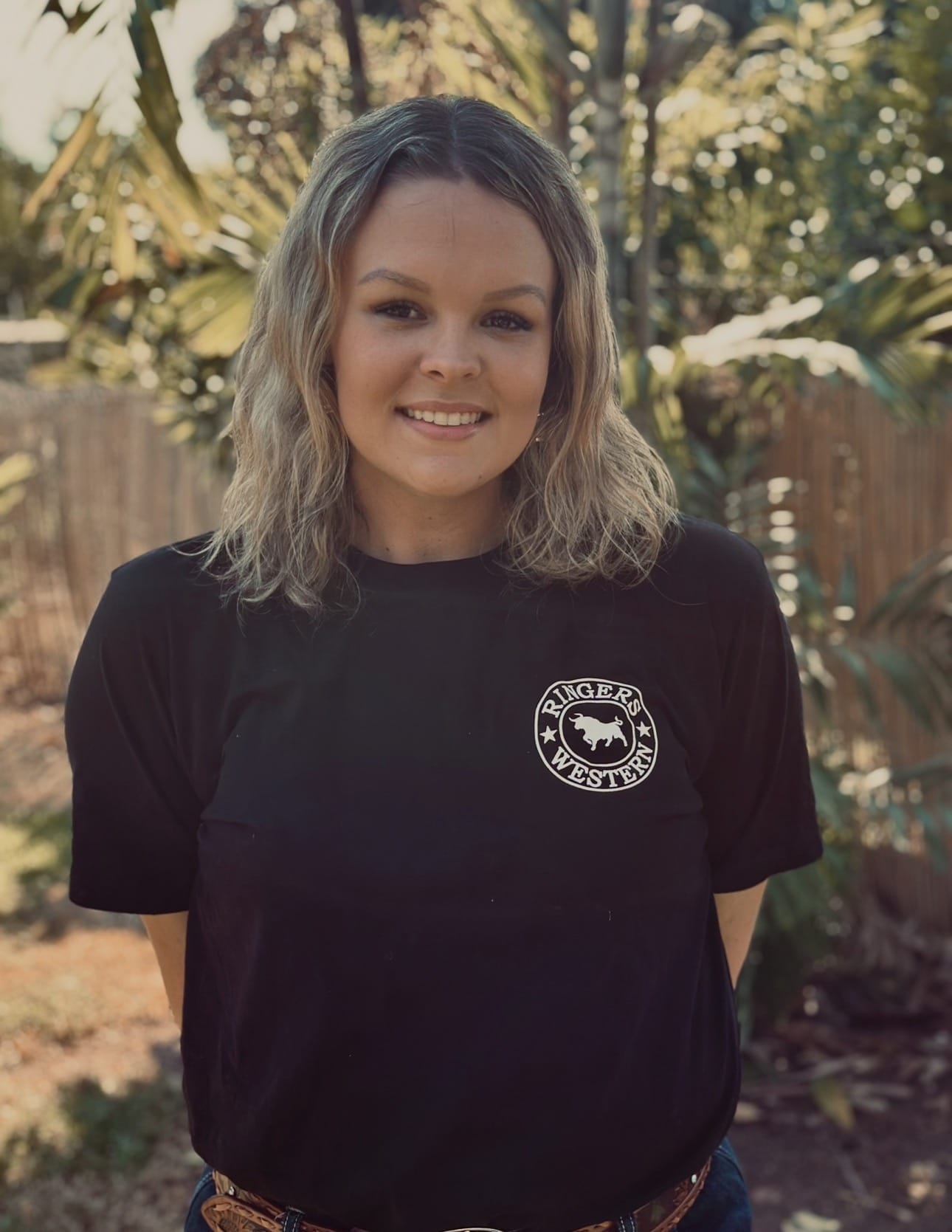

Based in Darwin, Taylah Peters holds two roles that on the surface, might seem distinct. As Manager of Specialist Support Services at Relationships Australia NT, she oversees responses to institutional abuse and domestic and family violence, including work with women in custody. As Chairperson of Amber NT, she leads an organisation that walks alongside families navigating the loss of a child. But for Taylah, the thread connecting them is unmistakable.
“Healing doesn’t happen in isolation and is not one-size-fits-all,” she says. “What unifies these roles is a commitment to wrap-around, trauma-informed, and culturally responsive care, and to ensuring lived experience voices are embedded in program design, not consulted after the fact, but woven throughout.”
It is a philosophy shaped by years of working at the intersection of grief, violence, and systemic disadvantage, and by a deep conviction that the people most affected by these systems have the most to offer in redesigning them.
Leadership as listening
Ask Taylah about leadership and she will not describe a corner office or a chain of command.
“Leadership is not about authority or having all the answers,” she says. “It’s about listening deeply, creating space for others, and having the courage to sit with complexity and discomfort.”
She describes leadership as both an honour and a responsibility, something to be continually learned rather than arrived at. “The best leaders stay curious, reflective, and open to being challenged. They understand that leadership exists at every level of an organisation, and their role is to empower others so people can lead in their own ways.”
In practice, her own leadership is shaped by the workforce around her and the communities she serves. “My leadership is always shaped by the responsibility we carry to do better,” she says simply.
Removing barriers to grief support
Families in the Northern Territory face some of the most significant barriers to grief support in the country: geographic isolation, cost, long waitlists, limited specialist services, and the stigma that can surround asking for help. At Amber NT, Taylah and her team work to dismantle every one of them.
“We don’t place limits on grief or require families to fit into narrow eligibility criteria,” she says. “Our approach recognises that loss is not a moment in time, and families shouldn’t have to ‘qualify’ for compassion or be left to grieve alone.”
In practice, that means meeting families wherever they are: telehealth appointments, phone calls and texts, hospital-based support at the most critical moments, and home or community visits when needed. It also means constant fundraising and advocacy for long-term funding so that support remains free and accessible, regardless of where a family lives or their financial circumstances.
Across her roles, Taylah is seeing growing complexity in the lives of the families and communities she works with, where grief and loss intersect with trauma, housing instability, and the aftermath of violence or incarceration. Her response to that complexity is consistent: more coordination, more relationship, more time.
“Meeting complex safety and reintegration needs requires programs that are adequately resourced, trauma-informed, and able to collaborate across services to support stability, healing, and long-term outcomes.”
Hope, and the case for long-term investment
What gives Taylah hope is a shift she is witnessing across the Territory: a growing recognition that lived experience is expertise, and that lasting change happens when survivor voices are embedded in service design from the beginning. “There is growing openness to talking honestly about grief, trauma, and violence,” she says. “These conversations reduce stigma, build understanding, and create space for more compassionate and effective responses.”
Her message to policymakers is clear and urgent. “Healing takes time, relationship, and consistency,” she says. “If we truly value healing, we must fund and design services that stay with people for the long haul. Investing in grief support, survivor-led services, and culturally safe care isn’t optional, it’s foundational to a healthier society.”
As 2026 gets underway, that advocacy is front of mind. A significant portion of Amber NT’s work is sustained by volunteer hours and unpaid labour from people who believe deeply in what they are doing. Long-term, stable funding would change what is possible: better workforce support, more consistent care, and an end to the uncertainty that many not-for-profits across the Territory live with every day.

“When co-design and collaboration are done well, the impact is powerful,” Taylah says. “That’s the work I’m excited to continue building into 2026 and beyond.”